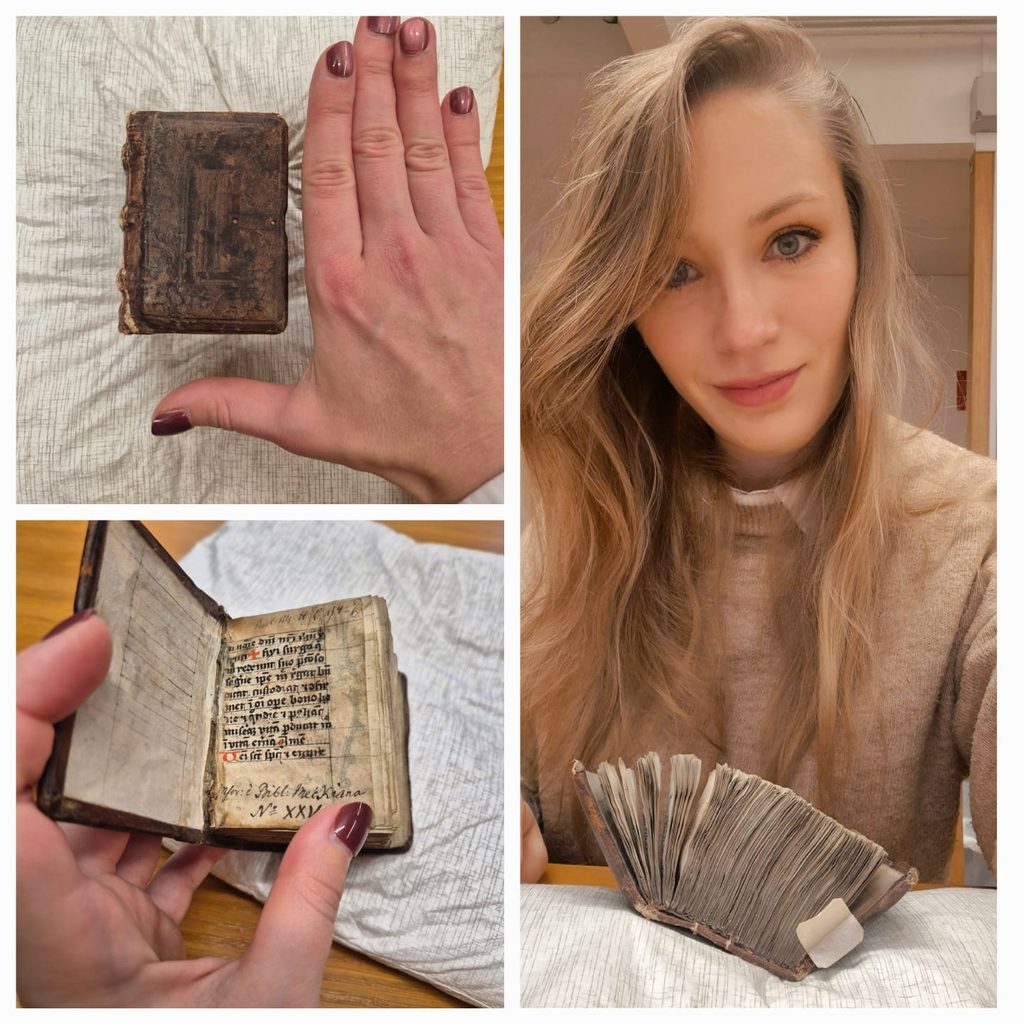
Last week, I spent a week as a fellow at the Lund Centre for the History of Knowledge (LUCK). While in Lund, I wanted to take the opportunity to visit a manuscript I already knew well from its digital facsimile. The manuscript in question is Lund University Library, Medeltidshandskrift 28, a prayer book associated with the Cistercian convent of Medingen.
I first introduced the manuscript in an earlier blog post and have since conducted more reasearch on its prayers, material features and place within the Medingen corpus. After spending so much time with its digitised pages, I was keen to see the book itself at Lund University Library’s Special Collections.
My first impression was just how small it is. Although I knew its measurements, the digital facsimile had not quite conveyed its scale. At approximately 8 × 7 cm in its binding, it is one of the smallest Medingen manuscripts identified so far. Its compact form and considerable thickness give it an almost cube-like appearance. Seeing it in person made me think anew about how such a small book could have been held, carried and used in prayer
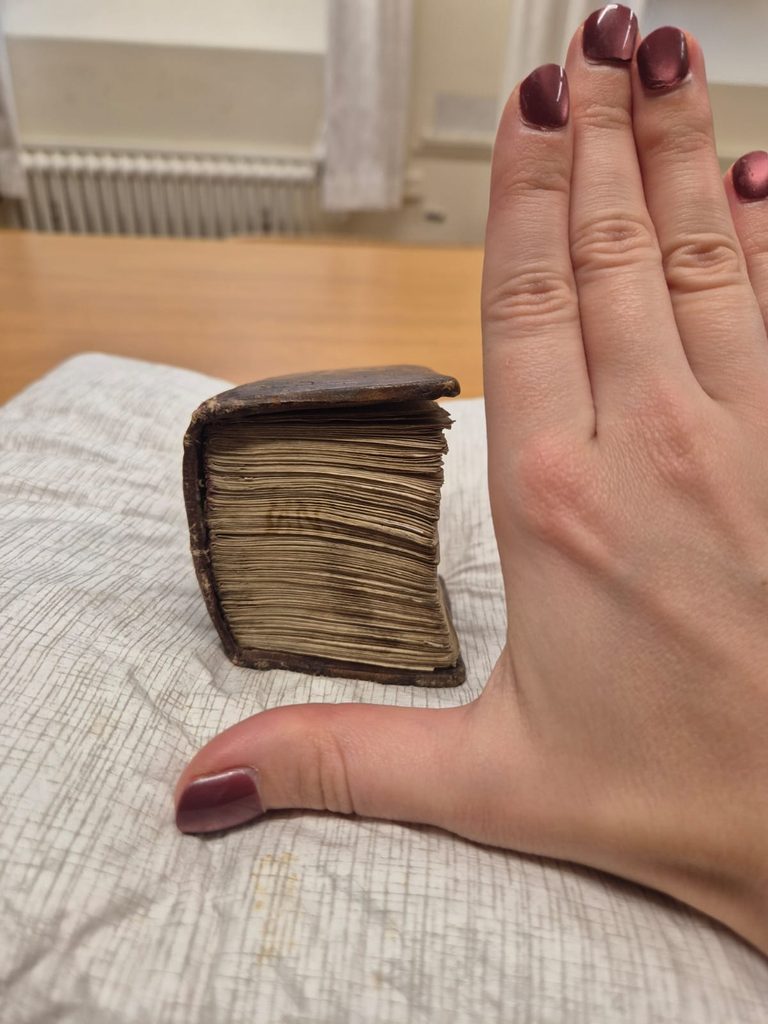
Fig. 1: Lund University Library, Medeltidshandskrift 28.
The visit also gave me an opportunity to examine the manuscript’s extensive reworking more closely. Its pages preserve different layers of writing, as well as additions and alterations to prayers. Moving through the book in person helped me to develop a better sense of how these interventions relate to its material structure and to one another. One interesting discovery was a small paper cutting, possibly from the same source as, or a source similar to, the paper cuttings glued into the margins of another Medingen prayer book (HV2).
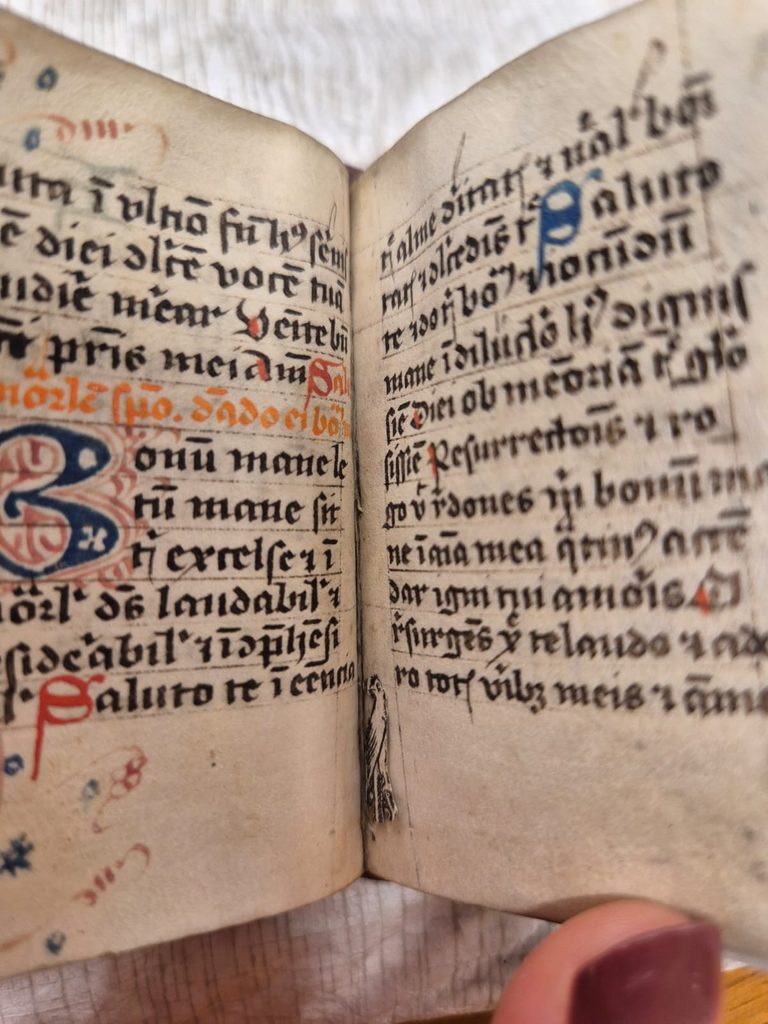
Fig. 2: Lund University Library, Medeltidshandskrift 28, fol. 102r.
The Lund prayer book is one of the most extensively reworked Medingen manuscripts known so far. Further investigation will be needed to understand the nature and extent of the alterations and what they can tell us about the book’s position within the wider corpus. For now, seeing it in person has given me new questions to take back to the digital facsimile.
I am very grateful to the Special Collections team at Lund University Library for their warm welcome and generous assistance. Special thanks go to Per Stobaeus, librarian in the Department of Collections, for his kindness and help in arranging my visit.